

Constipation in Dogs: What You Need to Know
Constipation is when your dog struggles to pass feces. Constipation can lead to pain or stress when your dog tries to poop. Most cases of constipation are caused by an illness or irritation and can be resolved with treatment.
Causes of Constipation in Dogs
The most common cause of constipation in dogs is eating something which cannot be fully digested. Other causes can include:
- Common medications
- Stress or anxiety
- Not enough exercise
- Dietary changes
- Ingesting irritating or undigestible objects
Constipation can also be a symptom of conditions including:
- Colon disease
- Intestinal obstruction
- Hormonal disease
- Enlarged colon
- Neurologic disease
- Pelvic injuries
- Tumors or masses in the colon or rectum
Recognizing Constipation in Dogs
If your dog is constipated, the first issue you will likely notice is their inability to pass stools. For example, if your dog typically goes poop twice a day and they go a day without producing feces, you should take notice.
Other signs of constipation include:
- Straining when trying to go
- Circling more than normal
- Dragging their rear along the ground
- Seeming to be in pain
- Decreased appetite
- Vomiting
- Small, watery feces
- Weight loss
- Bloating
- Painful abdomen
- Abnormally hard feces
If you notice any of these signs, contact your veterinarian.
What to Expect at Your Veterinarian Visit
When you contact your vet, they will likely perform a physical exam and discuss your dog’s medical history with you. Your vet might perform a rectal exam or order X-rays to ensure there’s no blockage or do blood work and a urinalysis to see if your dog is dehydrated. In some cases, an ultrasound or biopsy might be required.
Most cases of constipation respond well to conservative treatments and medications. Your vet may remove the hardened feces through enemas, medication, or manual removal. There are several common laxatives and other medications your vet may prescribe that can be used to dislodge the material. If your dog is dehydrated, they might need intravenous fluids while undergoing feces removal.
Be sure to seek veterinarian advice before beginning any treatment and follow their recommendations to help manage your dog’s symptoms.
Table of Contents
YOU MAY ALSO LIKE...
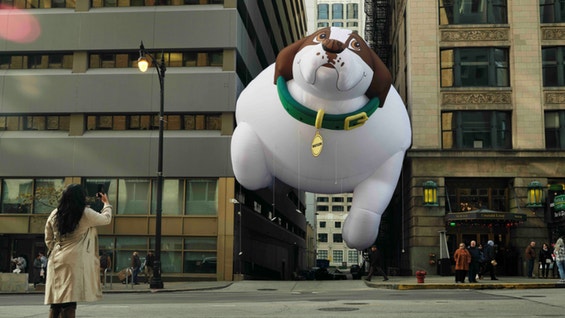
The IAMS™ Brand Gets Oversized Dog Balloon Stuck
To shine an unmissable light on the issue of overweight dogs, IAMS™ pet food partnered with a real-life overweight dog named Waylon to put his story on a huge stage this holiday season. The brand created a larger-than-life dog balloon – modeled after Waylon – that got "stuck" between two buildings en route to the Chicago Thanksgiving Parade. Not actually an official entry in the parade, the two-story-tall balloon represents the many dogs across the country who are carrying extra weight.
READ MORE
Party Time! How to Entertain While Keeping Pets Safe
These 8 tips will help keep your pets safe and happy during events and gatherings.
READ MORE
Understanding Gastrointestinal Issues in Cats
Gastrointestinal problems can be common in cats, varying from mild to severe, and can significantly affect their health and comfort. This guide helps you understand these issues to manage your cat’s health effectively and support a happier, healthier life.
READ MORE
IAMS’ 12 Tips for a Pet-Friendly Holiday Season
At IAMS, we know the holidays are even more joyful when everyone is safe and healthy. The below tips are a great check-back to make sure your pet is set up for a safe holiday season.
READ MORE