

END-TO-END GUIDANCE FOR YOUR DOG’S DIGESTIVE HEALTH
Click one of the icons below to get started:
ANALYSIS
1 in 4 Dogs Experience Digestion Symptoms Annually*
Pet parents often find it challenging to understand and assess changes in their dog’s stool. While not a substitute for a veterinary assessment, Poopscan by IAMS(open in new tab) can help you monitor and prioritize your dog’s digestive health.
*Mars Internal Study 2020

Poop Analysis in a Snap
You can learn about your dog’s digestive health from their stool. Poopscan instantly analyzes poop quality and provides helpful insights into your dog’s health.
PETconnect by IAMS™
Chat with an expert about your dog's digestive health
NUTRITION
It All Starts with Their Food
Choosing food with ingredients that support a healthy microbiome and stool is important for your dog’s digestive and overall health.

Ingredients Matter
When looking for dog food that supports digestion, look for ingredients like…
- Beet Pulp
- Fructooligosaccharides (FOS)
- Natural Fiber
Where Can I Find Food with These Ingredients?
IAMS ADVANCED HEALTH Healthy Digestion promotes digestion with clinically-proven levels of FOS, as well as beet pulp and natural fiber.

Satisfaction Guaranteed
With IAMS dry dog food, you can see a visible difference in your dog with your own eyes. Satisfaction guaranteed or your money back.
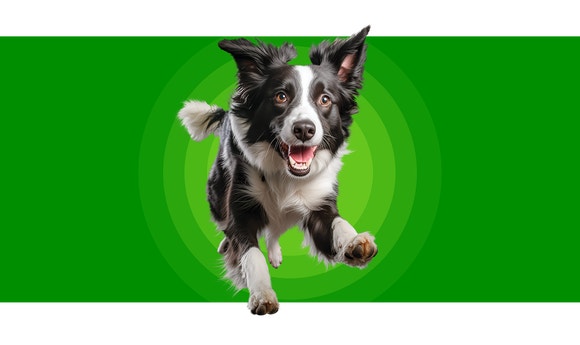
Healthy Digestion in 10 Days
A healthy gut is a happy gut. IAMS recipes contain natural fibers, prebiotics, and highly digestible proteins to support healthy digestion and help with nutrient absorption.
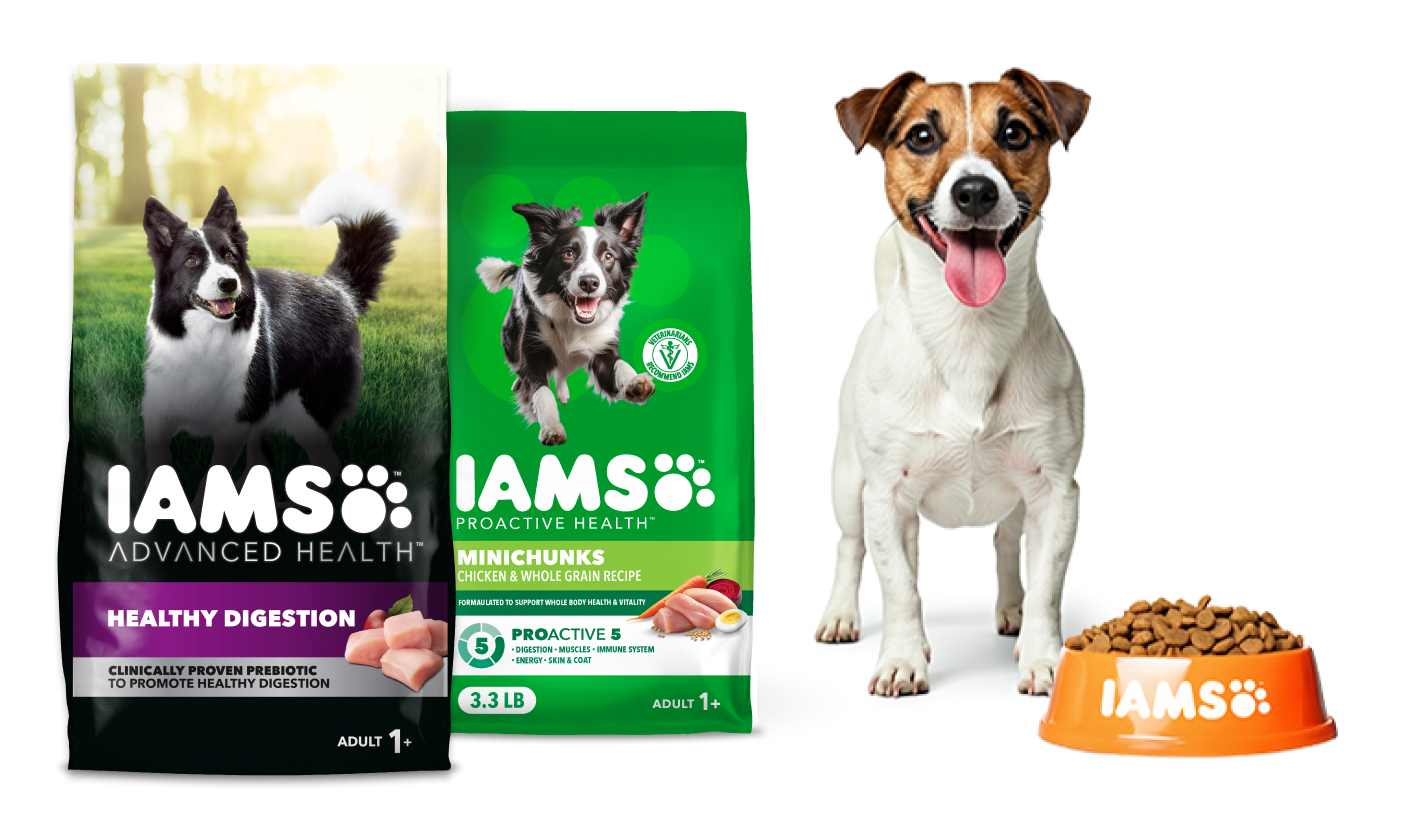
Find the Right Food for Your Dog
Dog food isn’t one size fits all – try our Food Finder to see which food is the right fit for your dog.
COMMON SYMPTOMS
Recognizing Digestive Symptoms in Your Dog
All dogs have digestive issues from time to time. Learning more about common digestive concerns can help you care for your dog and know when to seek medical care.

Understanding Gastrointestinal Symptoms in Dogs
All dogs have digestive issues from time to time. Learning more about common digestive concerns can help you care for your dog and know when to seek medical care.

Common Causes of Diarrhea & Constipation
Diarrhea and constipation can have a variety of causes, including infections, changes in diet, or can be signs of a serious illness. If you are noticing symptoms in your dog, it’s important to see a vet to rule out underlying causes and prevent dehydration and nutrient loss.

Why You Should Monitor Your Dog’s Poop

Diarrhea in Dogs: What You Need to Know

Constipation in Dogs: What You Need to Know

Common Causes of Vomiting
Vomiting can be caused by intestinal upset, such as eating irritating materials or intestinal parasites. However, it can also be a symptom of a more serious illness. Vomiting can lead to serious complications if treatment is not started early enough to prevent dehydration and nutrient loss.

Vomiting in Dogs: What You Need To Know

What To Expect at Your Veterinarian Visit for Your Dog’s Vomiting

Car Travel and Your Dog
WELCOME TO THE IAMS™ DIGESTION HUB
Check back soon for more educational content about digestion!