
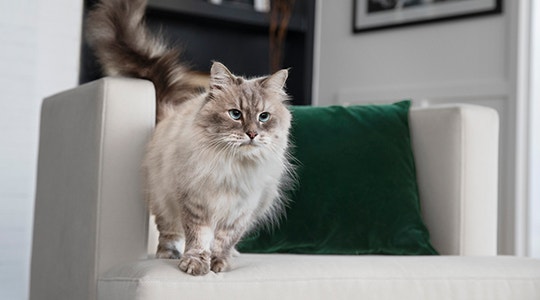
Senior Cat Diet: What to Feed Your Cat as They Age
There’s something deeply special about life with a senior cat. The knowing gaze, the quiet companionship, the way they seem to understand you without needing a single word. As your cat moves through their later years, your role as their advocate becomes more important than ever, and one of the most powerful ways you can care for them is by getting them the right cat food for senior cats.
Senior cats have nutritional needs that are genuinely different from their younger selves. Choosing the right balance of dry cat food and wet cat food can meaningfully support their comfort, vitality, and quality of life throughout every year ahead.
Key Takeaways
- Cats are seniors from around 11 years; but shifts in weight, appetite, or coat quality are your real cue to act.
- Healthy senior cats need more quality protein, not less, to hold onto lean muscle.
- Wet food with 70-80% moisture content is one of the simplest ways to protect aging kidneys.
- Omega-3s, antioxidants, and controlled phosphorus are essential for aging cats.
- Two measured meals a day makes it easier to spot appetite changes before they become bigger issues.
When Are Cats Considered Seniors?
Most cats are considered seniors from around 11 years of age, though the term "mature adult" is sometimes used for cats between 7 and 10 years, a life stage where early dietary considerations begin to matter. Individual cats age differently depending on genetics, lifestyle, and health history, so there is no single date on the calendar that signals the transition.
What tends to matter more than age alone is your cat's individual condition. Changes in body weight, coat quality, appetite, activity levels, or litter box habits are often early signs that your cat's nutritional needs are shifting. Regular vet check-ups every six to twelve months for mature and senior cats make it easier to catch these changes early and respond proactively.
Key Nutrients in Senior Cat Nutrition
Here's what to look for when evaluating a senior cat diet:
High-quality protein
Senior cats, particularly those aged 12 and older, can actually experience increased daily energy requirements, partly due to reduced digestive efficiency. A diet with a minimum protein allowance of 30-45% dry matter is considered appropriate for most healthy older cats. Quality animal protein preserves lean muscle mass, which naturally declines with age.
Fiber
Supports healthy digestion and regular stool consistency. Senior cats can be more prone to slower gut motility and constipation, making adequate dietary fiber an important consideration.
Omega-3 fatty acids
Particularly, EPA and DHA from fish oil support joint health, skin and coat condition, and cognitive function, all of which can be affected by aging.
Antioxidants
Vitamin E is an antioxidant that helps support the immune system, which can become less robust in older cats.
Controlled phosphorus
Excess phosphorus in the diet can accelerate kidney disease progression. For cats already diagnosed with kidney disease, a veterinarian may recommend a prescription renal diet with restricted and highly bioavailable protein.
Hydration
Older cats are at higher risk of chronic kidney disease and urinary issues, and adequate moisture intake is protective. Wet food, with its 70-80% moisture content, can be an excellent way to increase hydration naturally, especially for cats who are reluctant water drinkers.
What Should You Feed Your Senior Cat?
For most healthy senior cats, a high-quality, complete, and balanced senior cat food is an appropriate foundation. The most important qualities to look for in these meals are:
- A named animal protein as the first ingredient (chicken, turkey, salmon, or another quality source).
- Appropriate calorie density for your cat's current activity level and body condition.
- A digestibility profile that suits aging digestive systems.
- Omega-3 fatty acids for joint and skin health.
- Moderate, well-regulated phosphorus levels.
- An AAFCO statement confirming nutritional completeness.
Wet food can be particularly well-suited to senior cats because of its moisture content, stronger aroma (appealing to older cats with dulled senses of smell), and softer texture for those with dental sensitivity.
When to Switch Your Cat to Senior Cat Food?
Most cats benefit from transitioning to a senior formula around 11 years of age, though healthy, thriving cats may remain well-nourished on quality adult food for longer. Cats with health issues, such as early kidney disease, hyperthyroidism, or dental problems, may benefit from dietary adjustments sooner, and in these cases, a veterinarian's guidance is essential.
How to Choose Food for Senior Cats?
When selecting food for your senior cat, use the following checklist as a starting guide:
- AAFCO statement: Look for "formulated to meet nutritional levels established by AAFCO" for adult maintenance or all life stages.
- Named animal protein first: Chicken, turkey, beef, salmon, not generic "meat meal" or "by-products" as the primary protein source.
- Moderate calorie density: Senior cats with lower activity levels don't need high-calorie food, but very old cats losing weight may need more, not fewer, calories.
- Omega-3 fatty acids: Look for fish oil or flaxseed in the ingredients, particularly for joint and skin support.
- Moisture content: Consider including wet cat food, particularly if your cat drinks little water independently.
- Digestibility: Quality, recognizable ingredients over lengthy lists of fillers support better nutrient absorption in older cats
Tips for Feeding Senior Cats
Feed measured meals twice daily
Free-feeding makes it harder to notice changes in appetite, one of the earliest indicators of underlying health issues in senior cats. If you’re already free-feeding your cat, gradually move towards measured meals, instead of switching suddenly. You could also feed them more than two times a day, just be sure to measure their intake and stay within their caloric limit.
Offer wet cat food for hydration
If your senior cat will accept it, wet cat food is one of the most practical ways to increase daily moisture intake and support kidney health. However, you must calculate this into their daily caloric limit to ensure their caloric and nutritional needs are met.
Warm food slightly
Do this to enhance the aroma if your cat has become less enthusiastic about meals. A gentle 10-15 seconds of warming can make a significant difference for cats whose sense of smell has diminished with age. Don’t forget to test the temperature before giving it to your cat; once burnt they may never go back to eating warmed/heated food.
Monitor body weight and adjust
Both unexpected weight gain and unexplained weight loss are meaningful signals in senior cats. A simple weigh-in at home or at your vet clinic helps catch changes early and adjust food intake accordingly.
Keep fresh water available in multiple spots
Senior cats may not always make the journey to a water bowl, but multiple water stations around the home, and a pet water fountain if your cat prefers moving water, can support better daily hydration.
Conclusion
Your senior cat has lived a full and rich life by your side. The quiet trust they place in you every day is one of the most beautiful things there is. Getting their diet right in these important years, with the right balance of quality protein, hydration, targeted nutrients, and appropriate calories, is one of the most meaningful gifts you can give them.
Explore More
IAMS PROACTIVE HEALTH Healthy Senior Dry Chicken Cat Food | Senior Cat Feeding Tips | Help Senior Cat Live Best Life | How Much Food to Feed Senior Cat |
Contributor
Cindy is a Registered Veterinary Technician with nearly 40 years of hands-on animal care experience. A graduate of Purdue University's Veterinary Technology program (RVT, 1988), she spent years in private practice before joining Mars Petcare (formerly IAMS) in 2005 as a Senior Researcher. Today, Cindy focuses on canine and feline health, nutrition, behavior, and consumer advocacy; helping pet parents make confident, informed decisions. On her family farm, she cares for a lively mix of rescue pets and competitively shows exhibition poultry. Cindy brings this same lifelong passion, warmth, and deep practical expertise to every pet family she serves.
Table of Contents
YOU MAY ALSO LIKE...

Factors Affecting Healthy Weight Maintenance
There are many factors to consider when it comes to pets being able to maintain a healthy weight, some are natural and some are environmental. Read the article to find out more.
READ MORE
Exercise Support & Tips for Dogs
Like us, our pets need exercise to keep their body, and their minds, in tip-top shape. Exercise increases energy expenditure, burns fat and builds lean muscle mass, which is the key to healthy weight management.
READ MORE
IAMS’ 12 Tips for a Pet-Friendly Holiday Season
At IAMS, we know the holidays are even more joyful when everyone is safe and healthy. The below tips are a great check-back to make sure your pet is set up for a safe holiday season.
READ MORE
Natural Feeding Behavior of Cats
Find out how your cat’s ancestors’ feeding pattern informs your cat’s natural feeding behavior today.
READ MORE