
What Do Cats Eat: Feline Feeding Guide
Cats are obligate carnivores, meaning they thrive on animal-based protein. Give them cat food made from chicken, turkey, or beef, and they’re happy! However, many pet parents wonder which human foods are safe to share with their feline friends.
Some foods, like plain, cooked chicken or eggs, are OK in small amounts. Others, such as garlic, onions, and grapes, are toxic to your cat. This guide covers the foods that are safe for your cat to eat, what nutrients they contain, how to prepare them, and which foods to avoid.
Note: Before offering your cat any human food or a new ingredient, consult your veterinarian to ensure it's appropriate and safe. Individual factors including your cat's age, weight, health conditions, activity level, and current diet all influence what foods are suitable. Cats on veterinary-prescribed diets for medical conditions must not receive any foods or treats outside their prescribed meal plan without explicit veterinary approval.
Key Takeaways
- Cats are obligate carnivores and require animal protein and specific nutrients found only in meat.
- Their primary diet consists of a complete and balanced commercial cat food (dry, wet, or mixed) that meets AAFCO standards.
- Chicken, turkey, fish, beef, and eggs are safe proteins for cats as long as they’re in commercial formulas or as cooked, plain (occasional) treats.
- Cats don’t need to eat vegetables, but small amounts of cooked plain vegetables can be tolerated.
- Cats should avoid onions, garlic, grapes, chocolate, dairy, raw meat, and dog food.
- Treats and extras should make up no more than a small portion of your cat’s daily calories.
Can Cats Eat Human Food?
Some animal-based human foods that mimic natural prey are safe for most cats in small doses. That said, these types of foods shouldn't make up more than 10% of your cat’s daily calories.
They should also be served plain and without salt, bones, seasoning, sauces, or butter. Due to bacterial risks, always avoid raw foods unless your veterinarian recommends it.
What Proteins Cats Eat
Cats lack the necessary enzymes to make essential amino acids like taurine, arginine, and methionine. Animal protein has these amino acids. Plant-based protein doesn’t. That’s why cats need animal protein to live their best life!
The safest way for your cat to get what they need is through complete and balanced cat food that contains high-quality protein sources. Let’s take a closer look at what those might be.
Chicken
Chicken is the most common protein source in commercial cat foods, and one that most cats love. It offers high-quality protein and essential amino acids, including taurine and B vitamins. It’s rich in phosphorus and selenium, which support bone and immune system health.
Turkey
Like chicken, turkey is a common ingredient in commercial cat foods and provides high-quality protein and moderate amounts of fat.
Turkey contains tryptophan, an amino acid that supports serotonin production. Serotonin regulates mood, sleep-wake cycles, and anxiety, among other things.
Fish (Salmon, Tuna, Whitefish)
Rich in protein, omega-3 fatty acids, and taurine, fish is a great choice for your cat! Specifically, salmon supports skin and coat health and reduces inflammation. Whitefish is a great source of lean protein.
Keep in mind, however, that tuna should be used sparingly and only from cat-specific formulas due to potentially high mercury levels and a lack of complete nutrients.
Beef
If your cat has poultry sensitivities, beef is a great alternative. It provides the usual animal-based protein, as well as iron, zinc, and B vitamins. It also contains conjugated linoleic acid (CLA), which supports your cat’s immune function.
Lamb
Lamb is another nutritious (and tasty!) choice if your cat has poultry or fish sensitivities. It’s also rich in protein, iron, zinc, and B vitamins, but it’s higher in fat than poultry, giving your cat concentrated energy.
You can often find lamb in limited-ingredient cat foods or foods designed for sensitive cats.
Duck
Duck is also a good option for sensitive cats because it doesn’t usually cause allergic sensitivities. Duck is full of iron, selenium, and B vitamins, which support energy metabolism. Duck also has a higher fat content than chicken or turkey, providing concentrated calories for your cat.
Like lamb, you usually find duck in limited-ingredients foods for cats with sensitivities.
Eggs
Eggs are full of important nutrients for your cat! They contain high-quality protein and all nine essential amino acids cats need to maintain their muscles and support healthy growth. And vitamins A, D, E, B12, and riboflavin are packed into that oval shell, too!
Important note: Always cook eggs before feeding them to your cat. Raw eggs have a salmonella risk and contain avidin, which blocks biotin (vitamin B7) absorption.
Shrimp
Shrimp packs a big punch! It’s low in calories and fat but high in phosphorus, which supports bone and kidney health. Shrimp also contains astaxanthin, an antioxidant necessary for immune health and inflammation reduction.
Like fish, it’s full of lean protein, omega-3 fatty acids, and B12.
Organ Meats (Liver, Heart, Kidney)
Organ meats, like liver, heart, and kidney, provide concentrated amounts of vitamin A, iron, taurine, and B vitamins. You can find them in many commercial cat foods to complete the nutritional value of the formula.
That said, feed organ meat sparingly. It’s nutrient-dense, meaning a little goes a long way.
What Vegetables Can Cats Eat?
Table of Contents
Because cats are true carnivores through and through, they don’t need vegetables for nutrition. However, some cat food includes small amounts of veggies for fiber, vitamins, and carbohydrates.
Vegetables Cats Can Tolerate
Carrots
Carrots are non-toxic for most cats. They contain beta-carotene, which is converted into vitamin A, vitamin K (helping with blood clotting and bone health), and fiber.
Green Beans
Green beans are a low-calorie option for cats. They have vitamins C and K, as well as fiber, which supports digestive regularity.
Peas
Peas provide fiber and vitamins A, K, and B. It’s sometimes included in commercial cat food as a carbohydrate source, has some plant-based protein, and is safe for most cats in small amounts.
Sweet Potato
Hearty and nutrient-dense, sweet potatoes are filled with beta-carotene, vitamins C and B6, and manganese. Although it has fiber (good for digestive health), it is high in sugars and carbohydrates, so only use a little to avoid weight gain.
Broccoli
Broccoli is filled with vitamins K and C, folate, and fiber. It also has antioxidants like sulforaphane, which support your cat’s cellular health.
Asparagus
Asparagus supports various body functions by providing vitamins A, C, K, and folate. In addition, it contains fiber and antioxidants, all with minimal calories.
Zucchini
Another low-calorie vegetable, zucchini gives your cat potassium and magnesium. Its mild flavor means more cats like it, and because it’s 94% water, it boosts hydration.
Pumpkin
Pumpkin contains beta-carotene, as well as vitamins A and C, and potassium. It's also made of soluble fiber, supporting your cat’s digestive health and helping regulate bowel movements.
Spinach
Spinach has vitamins A, C, K, iron, and calcium. But be aware that it’s also high in oxalates, which may cause urinary issues in some cats.
Vegetables Cats Should Avoid
Raw Potatoes
Raw potatoes contain solanine, a naturally occurring toxin that can cause digestive upset and neurological problems.
Tomatoes (Green Parts)
The stems and leaves of red tomatoes and unripe green tomatoes contain solanine and tomatine, both toxic for cats. Ripe red tomato flesh is less toxic, but because it offers zero nutritional benefits for your cat, it’s probably best to avoid all things tomato!
Wild Mushrooms
Many wild mushroom species are toxic and can cause organ failure in cats. And even non-toxic varieties offer no nutritional value, so like tomatoes, it’s a good idea to keep them away from your cat.
What Fruits Can Cats Eat
Did you know cats can’t taste sweetness? That’s why they rarely show interest in fruit. This is good news because fruits are high in natural sugars and provide minimal nutritional benefits for your cat. If your cat does show a liking for fruit, only give it in small amounts.
Fruits in Small Amounts
Blueberries
Blueberries are rich in antioxidants and vitamin C, supporting your cat’s immune function. They’re also high in water content but low in calories.
Cantaloupe
Cantaloupe supports various body functions because it contains vitamins A, B, and C. It has a high water content (90%), which helps with hydration.
Strawberries
Strawberries contain vitamin C, manganese, and antioxidants. But because they’re high in natural sugars, they can cause digestive upset, so only feed your cat small quantities.
Bananas
Offer bananas in moderation because although they’re high in potassium, they’re also high in sugar.
Apples
Apples provide your cat with vitamins A and C, plus dietary fiber, but don’t let them eat the seeds! They contain cyanogenic glycosides, which release cyanide when digested.
Pears
The fiber, vitamin C, and copper found in pears support your cat's digestive and immune systems. Like apples, the seeds contain cyanide compounds and need to be removed.
Seedless Watermelon
Made of 92% water, seedless watermelon is a good source of hydration. It also provides vitamins A, B6, and C. All with minimal calories, a mild flavor, and a soft texture.
Fruits Cats Should Avoid
Citrus Fruits (Oranges, Lemons, Limes, Grapefruit)
The good news is that the strong scent of citrus often deters cats. If it doesn’t, though, the acid in citrus fruits can give your cat an upset stomach and cause vomiting and diarrhea. In addition, the essential oils in the peels are toxic and can cause central nervous system depression.
Avocado
The pit, skin, and leaves of avocados contain persin, a fungicidal toxin. The flesh is also very high in fat, which can lead to digestive upset and an increased risk for pancreatic problems.
Cherries
Like apple and pear seeds, cherry pits contain cyanogenic glycosides, which release cyanide when they’re digested. The stems and leaves are also toxic, and cherries offer no nutritional benefit for your cat.
Peaches
Peaches are yet another fruit that contains cyanide compounds. It’s also just tough to eat: the flesh is hard to digest, the skin texture and fuzzy coating may cause mouth irritation, and it can become a serious choking hazard.
Foods Cats Should Never Eat
Now that we’ve discussed the human foods that are generally considered safe for most cats, it’s important to mention the foods you should never feed your feline friend:
- Onions, garlic, chives, leeks, and shallots: All forms (raw, cooked, powdered, or dried) are toxic for your cat. They damage red blood cells, causing hemolytic anemia.
- Grapes and raisins: Both can cause sudden kidney failure and gastrointestinal problems
- Xylitol: An artificial sweetener found in sugar-free products, it causes rapid insulin release and liver failure.
- Alcohol: It’s extremely dangerous and causes digestive upset, disorientation, breathing issues, coma, and even death.
- Caffeine: Found in coffee, tea, and energy drinks, it causes increased heart rate, hyperactivity, tremors, and seizures.
- Raw bread dough: Yeast produces carbon dioxide and alcohol, causing bloating and toxicity.
- Macadamia nuts: These particular nuts can cause vomiting, increased body temperature, and loss of limb control.
- Chocolate: This treat contains theobromine and caffeine, both toxic to cats. Chocolate can cause tremors, seizures, and potentially death.
Support Your Cat’s Health with Complete and Balanced Nutrition
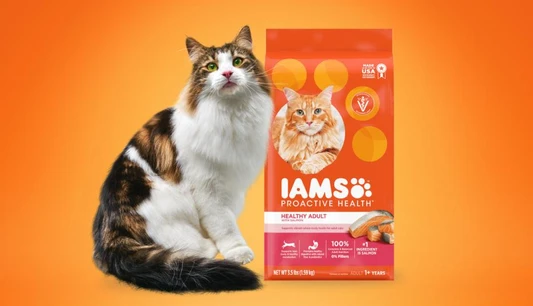
Cats need protein, as part of a unique nutrition plan. One that’s complete, balanced, and takes their obligate carnivore needs to heart. IAMS™ Cat Food checks all three boxes!
IAMS™ Cat Food features high-quality animal protein, essential nutrients, and formulas for every life stage, from kitten to adult, to senior cats. Every recipe is crafted to help your cat thrive, whether they need everyday nutrition, weight management, or digestive support.
Give your unique cat a unique cat food they’ll love!