
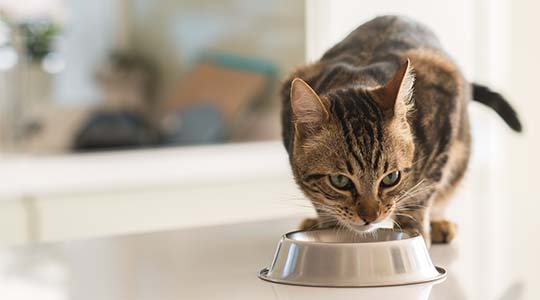
Why Does My Cat Throw Up After Eating?
Cat vomit: you’ve probably heard it, seen it, and cleaned it up. So, why do cats throw up after they eat? There are several possible reasons including eating too quickly, hairballs, sudden diet changes, and food sensitivities.
In many cases, making a simple adjustment in your cat’s daily life can help reduce or even prevent vomiting. That’s good news! But what should you do and where should you start?
In this guide, we explain why cats throw up after meals, what you can do to help prevent vomiting and regurgitation, and when to contact your veterinarian.
Key Takeaways
- Cats throw up after eating for many reasons: fast eating, hairballs, food sensitivities, stress, or a change in their diet.
- Slow feeder bowls, smaller meals, gradual food transitions, and regular grooming can help prevent your cat from throwing up after eating.
- If your cat vomits more than once a week, seems lethargic, refuses to eat, the vomit has blood in it, or they have other concerning symptoms, contact a veterinarian right away.
Common Reasons Cats Throw Up After Eating

If you’re a proud cat parent, you’ve likely seen your feline throw up once or twice. It’s not fun, but it’s common. Most of the time, vomiting is caused by a problem you can solve at home. Here are some reasons you may come across.
Eating too Fast
We all know dogs tend to inhale their meals, but some cats do it, too. As they gulp down their food, they swallow air, which can contribute to their stomach getting too full. When your cat’s stomach reaches its volume limit, they might regurgitate or even vomit.
Regurgitation is an esophageal issue rather than a digestive issue, and regurgitated food often appears undigested and tubular in shape. Unlike vomiting, regurgitation typically doesn't involve forceful abdominal contractions or nausea.
These situations aren’t pleasant to think about, but it’s important to know the difference.
Hairballs
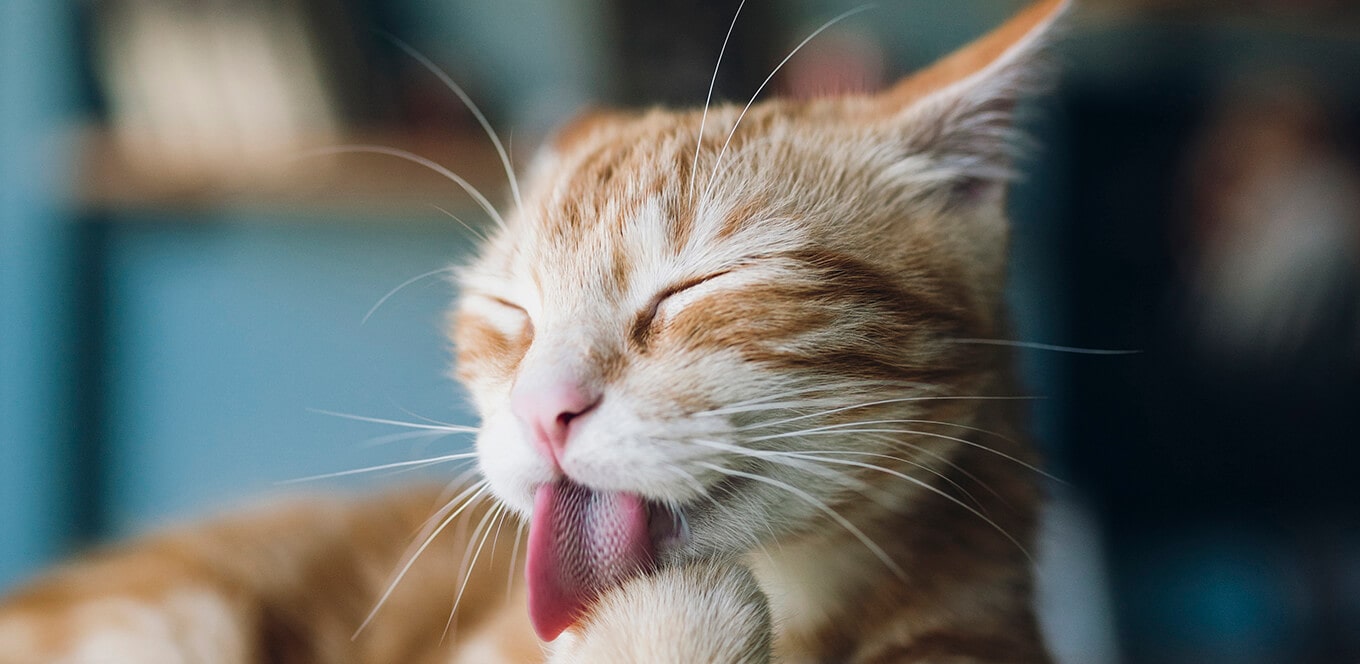
Cats are known for keeping themselves clean. While this is a great trait, all that grooming can cause your cat to ingest fur, which then accumulates in their stomach. The hair can’t stay there, so your cat throws it up.
As you can imagine, long-haired cat breeds are more prone to hairballs, but all cats can get them. Occasional hairballs (occurring less than once a month) are pretty normal, but if your cat is experiencing more than that, they may be suffering from digestive issues or dehydration.
Hairballs also happen if your cat overgrooms. Telltale signs of overgrooming include excessive licking, chewing, or pulling on their fur, which can indicate stress or pain.
Sudden Diet Changes
Cats' digestive systems are very sensitive! Switching your cat’s food too quickly can irritate their stomach and cause vomiting and other GI issues. Transitioning your feline to new food gradually gives their body time to adjust.
However, if you find that your cat’s vomiting persists even through a slow transition process, they may have an intolerance to the new food.
Food Sensitivities and Intolerances
Another common cause for your cat throwing up after eating: food intolerance. When your cat reacts to specific ingredients (by vomiting right after eating, experiencing diarrhea, or developing itchy skin), food intolerance may be the culprit.
Some typical food-intolerance triggers are dairy products, artificial additives, and certain proteins. You may need to ask your veterinarian for help understanding what food is affecting your cat.
Stress and Environmental Changes
Just like humans, cats’ bodies can get out of whack due to stress and environmental changes. If a new family member comes into the house (human or animal!) or you move to a new place, your cat may begin to feel anxious. Even a small change in their routine can cause some stress.
You may see your cat throwing up as a response. (Or you may see them hiding or refusing to eat.) Try to maintain whatever part you can of your cat’s daily routine, especially their feeding schedule. This can help reduce stress and anxiety.
How to Help Reduce Post-Meal Vomiting
Table of Contents
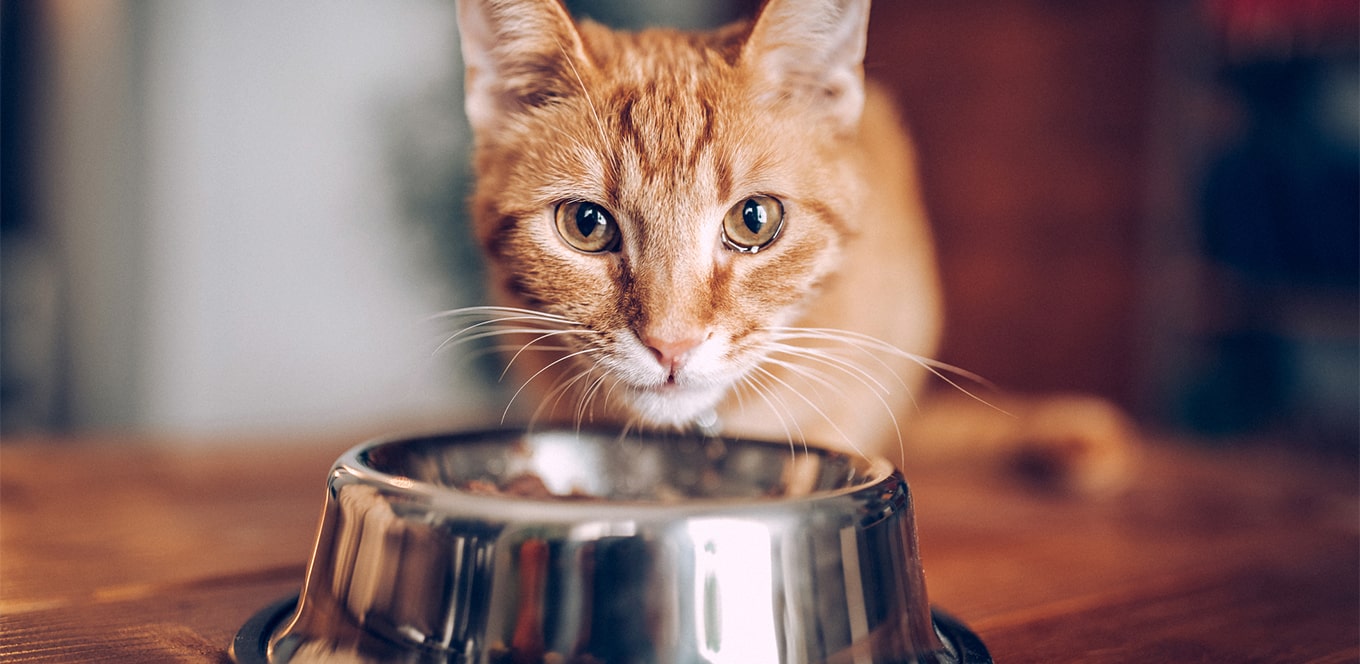
To help reduce your feline friend’s regurgitation and vomiting, try using a slow-feeder bowl or puzzle feeder. These interactive feeding tools are designed to prevent your cat from gulping down their meals, and they stimulate your cat’s brain, too!
Another way to prevent gulping and overeating is to divide your cat’s daily food intake into smaller, more frequent meals. And, as we mentioned, if you need to switch your cat’s food, transition slowly and deliberately. Seven to 10 days is a good rule of thumb.
Additionally, make sure your cat has access to fresh water to avoid dehydration. You can even place several bowls of water throughout your home so your cat can always find a drink nearby.
And, finally, take over some of your cat’s grooming chores! Regularly brushing your cat’s coat will reduce the amount of hair they ingest.
When to Call Your Veterinarian
Most of the time, one of these common reasons answers why your cat is vomiting after they eat, but if none of the above solutions work to reduce vomiting, there might be something else going on.
If your cat is vomiting more than once a week or does so multiple times in 24 hours, call your veterinarian. The same is true if you see blood in your cat’s vomit or if it has a coffee-ground appearance.
You should also contact your veterinarian if your cat acts lethargic, seems weak, or begins hiding more than usual.
Lastly, if your cat won’t eat or drink for more than 24 hours, has diarrhea, has lost weight, or you see changes in their urination or litter box habits, reach out to your veterinarian as soon as possible.
Support Digestive Health with IAMS™
Cleaning up cat vomit is no one’s idea of fun! But more important than that, it can be worrisome. You don’t want your cat to be uncomfortable or sick. Feeding them IAMS™ Cat Food helps keep them healthy and feeling great!
IAMS™ recipes are formulated with high-quality protein and contain tailored ingredients to support healthy digestion. Our food is complete and balanced nutrition for your cat’s overall health and is available in formulas for all stages of life and a variety of dietary needs.
Let IAMS™ Cat Food be a part of your cat’s happy, healthy life!
Contributor
Jessica Gilliam is a veterinarian with more than 14 years of clinical experience, specializing in small animal medicine. She is passionate about surgery, dentistry, mentorship, and education. Jessica serves as the Community Chair for the Tennessee Market at Banfield and oversees Mars Petcare’s PetConnect chat, which offers free educational support for pet parents. In her free time, she enjoys hiking and baking.
References
- https://www.vet.cornell.edu/departments-centers-and-institutes/cornell-feline-health-center/health-information/feline-health-topics/vomiting
- https://www.vet.cornell.edu/departments-centers-and-institutes/cornell-feline-health-center/health-information/feline-health-topics/danger-hairballs
- https://vcahospitals.com/know-your-pet/vomiting-in-cats
- https://www.vet.cornell.edu/departments-centers-and-institutes/cornell-feline-health-center/health-information/feline-health-topics/inflammatory-bowel-disease
Frequently Asked Questions
YOU MAY ALSO LIKE...

Factors Affecting Healthy Weight Maintenance
There are many factors to consider when it comes to pets being able to maintain a healthy weight, some are natural and some are environmental. Read the article to find out more.
READ MORE
Exercise Support & Tips for Dogs
Like us, our pets need exercise to keep their body, and their minds, in tip-top shape. Exercise increases energy expenditure, burns fat and builds lean muscle mass, which is the key to healthy weight management.
READ MORE
IAMS’ 12 Tips for a Pet-Friendly Holiday Season
At IAMS, we know the holidays are even more joyful when everyone is safe and healthy. The below tips are a great check-back to make sure your pet is set up for a safe holiday season.
READ MORE
Natural Feeding Behavior of Cats
Find out how your cat’s ancestors’ feeding pattern informs your cat’s natural feeding behavior today.
READ MORE