
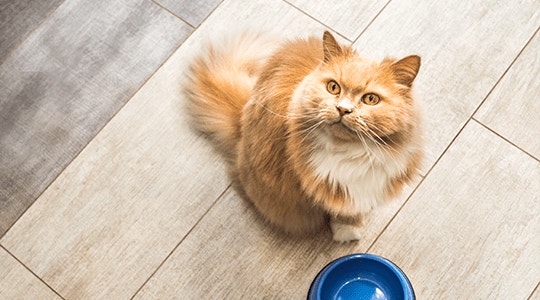
8 Reasons Your Cat Isn’t Eating and What to Do About It
Key Takeaways
- The most common reasons your cat is not eating are stress, routine changes, dental pain, gastrointestinal issues, and underlying illness.
- Environmental factors such as dirty bowls, noisy feeding areas, new pets, or household changes could also be stifling your cat’s appetite.
- To get your cat eating again, try warming their food and cutting down on treats. Make sure you’re maintaining their feeding routine and creating a calm feeding environment.
- If your cat doesn’t eat for more than 24 hours, contact your veterinarian. They may have an underlying illness that needs to be addressed.
8 Common Reasons Cats Won’t Eat
1) Stress or Anxiety
Table of Contents
2) Environmental Changes
3) Changes in Routine
4) Metabolism Changes for Senior Cats
5) Recent Vaccination
6) Medication Side Effects
7) Dental Issues
8) Underlying Medical Conditions
What to Do When Your Cat Won’t Eat
Talk to Your Veterinarian
Try Different Cat Food
Pay Attention to All the Cat Treats
Keep Their Bowls Clean
Create a Calm Feeding Environment
Stick to a Consistent Schedule
Try Hand Feeding or Food Toppers
Support Your Cat's Appetite with IAMS™

Once your cat's appetite is back, resume feeding them a complete and balanced meal. IAMS™ Cat Food is formulated to meet your cat's nutritional needs at every life stage!
IAMS™ PROACTIVE HEALTH™ recipes offer high-quality animal protein as the first ingredient, supporting lean muscles. And our cat foods are tailored for a range of needs, from kittens to seniors, supporting everything from hairball control to healthy weight.
Talk to your veterinarian for the right IAMS™ food for your cat. Bon appetit!
Contributor
Jessica Gilliam is a veterinarian with more than 14 years of clinical experience, specializing in small animal medicine. She is passionate about surgery, dentistry, mentorship, and education. Jessica serves as the Community Chair for the Tennessee Market at Banfield and oversees Mars Petcare’s PetConnect chat, which offers free educational support for pet parents. In her free time, she enjoys hiking and baking.
References
- https://www.pdsa.org.uk/pet-help-and-advice/pet-health-hub/symptoms/weight-loss-in-cats
- https://cats.com/cat-not-eating-but-acting-normal
- https://vcahospitals.com/know-your-pet/liver-disease-fatty-liver-syndrome-in-cats
- https://icatcare.org/articles/inappetence-in-cats
- https://www.vet.cornell.edu/departments-centers-and-institutes/cornell-feline-health-center/health-information/feline-health-topics/anorexia
- https://www.vet.cornell.edu/departments-centers-and-institutes/cornell-feline-health-center/health-information/feline-health-topics/vomiting
- https://vetmed.illinois.edu/pet-health-columns/hepatic-lipidosis-when-cats-dont-eat/