If your cat’s not eating, they may be stressed, reacting to a change in their environment, or have an upset tummy or a toothache. They also might be suffering from an underlying illness that needs to be checked out.
 
(open in new tab)(open in new tab)In this guide, we’ll explain what could be at the root of your cat’s appetite woes and when it’s time to go to the vet. We’ll also give you practical tips to help your cat begin eating again.
 
Note: If your adult cat hasn’t eaten for more than 24 hours, they should be evaluated by a veterinarian as soon as possible. Kittens and cats with medical conditions should be evaluated even sooner than 24 hours after their last meal.

Key Takeaways

  1. The most common reasons your cat is not eating are stress, routine changes, dental pain, gastrointestinal issues, and underlying illness.
  2. Environmental factors such as dirty bowls, noisy feeding areas, new pets, or household changes could also be stifling your cat’s appetite.
  3. To get your cat eating again, try warming their food and cutting down on treats. Make sure you’re maintaining their feeding routine and creating a calm feeding environment.
  4. If your cat doesn’t eat for more than 24 hours, contact your veterinarian. They may have an underlying illness that needs to be addressed.

8 Common Reasons Cats Won’t Eat

1) Stress or Anxiety
Feeding Guidelines for Your Cat

Table of Contents

One reason your cat may not be feeling hungry is that they’re stressed. See if you can identify anything at home that could be causing them anxiety. Do you have a new pet or baby? Did you move or redesign their dining space?
 
If that’s what’s causing their food strike, your cat should resume their normal habits when the anxiety fades.
 

2) Environmental Changes 

It’s also possible your cat isn’t eating because of other environmental changes. Because cats like things to be predictable, any break from the norm could throw them off.
 
For example, you might be using a new cleaning product or air freshener that they don’t like, or their feeding area is too close to a smelly litter box (can you blame them?).
 

3) Changes in Routine

If you’re feeding your cat at a different time than normal, serving them a new food, or someone different is dishing out their dinner, they may be avoiding eating as a response.
 

4) Metabolism Changes for Senior Cats

Just like humans, when cats get older, their metabolism changes and they don’t require as many calories to fuel them for the day. Senior cats may also have a decreased sense of smell, which makes food less appealing.
 
That said, senior cats are often more at risk for medical conditions like kidney disease and hyperthyroidism, so talk to your veterinarian if you notice an increase or decrease appetite in your older cat.
 

5) Recent Vaccination

If your feline companion recently got a vaccination, it’s normal for them to turn away from their food. Cats can experience mild lethargy and temporary appetite loss after vaccinations.
 

6) Medication Side Effects

Any medicines your cat is on can also affect their appetite. Antibiotics, pain medications, and other drugs might cause nausea or taste changes. (open in new tab)(open in new tab)(open in new tab)(open in new tab)(open in new tab)
 

7) Dental Issues

Periodontal disease, tooth resorption, and mouth ulcers cause pain when chewing. You may see your cat go up to the bowl to eat but then walk away after taking a bite.
 
Other signs of dental issues are drooling, pawing at their mouth, chewing on one side, and having bad breath.
 

8) Underlying Medical Conditions

Your cat losing their appetite can be an early sign of several different illnesses, such as kidney disease, diabetes, cancer, infections, and liver disease.
 

What to Do When Your Cat Won’t Eat

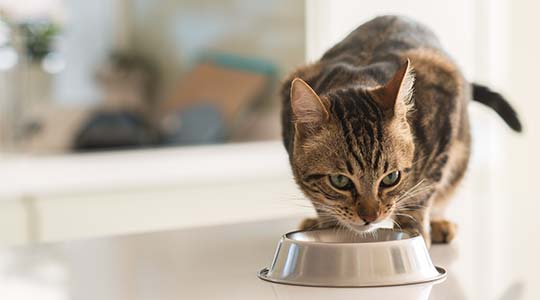
Tiger cat eating out of a silver bowl
We know it’s pretty concerning when your cat won’t eat. Here are some steps to help them enjoy their food again!
 

Talk to Your Veterinarian

If there’s no obvious reason your cat’s not eating, talk to your veterinarian to find out if there’s something going on health-wise. Tell them everything you know about the change in your cat’s eating habits and other symptoms you may have noticed. (open in new tab)(open in new tab)(open in new tab)(open in new tab)(open in new tab)
 
Your veterinarian will be able to tell if it’s a tooth issue, tummy trouble, or illness that’s causing the appetite loss.
 

Try Different Cat Food

Change up your cat’s food to see if another type is more enticing to them. If your cat is usually a dry-food fan, try offering them wet food. Wet food not only has more moisture but is also more appealing to picky eaters.
 
Another option is to try a different protein. For example, if they normally eat chicken, offer them cat food made with fish or turkey.
 

Pay Attention to All the Cat Treats

If your cat is snubbing their bowl but begging for your dinner or a handful of treats, don’t give in! These indulgences can disrupt your cat’s diet and appetite. Dial back the number of treats and table scraps until they’re back to their proper dinner routine.
 

Keep Their Bowls Clean

Cats have a keen sense of smell! A bowl that’s dirty, has recently been cleaned with scented soap, or is brand-new can be off-putting when it’s mealtime. It’s best to use unscented soap to clean their food bowl between meals.
 
Lastly, keep in mind that some cats refuse to eat out of plastic, hard rubber, or deep bowls.
 

Create a Calm Feeding Environment

Make sure your cat’s feeding environment is quiet and calm. Keep their bowl far from their litter box, set in a low-traffic area of your home away from any loud appliances or family members.
 
And if yours is a multi-cat household, try feeding your cats in separate areas to minimize stress.
 

Stick to a Consistent Schedule

Make sure you’re feeding your kitty at a consistent time every day. Also, keep the food itself consistent, as cats generally prefer predictability rather than surprise when it comes to their dinner.
 

Try Hand Feeding or Food Toppers

Another way to encourage your cat to eat is to add a food topper to their meal, like freeze-dried meat, or even a little low-sodium chicken broth. Just make sure that whatever you add doesn’t contain any onion or garlic.(open in new tab)(open in new tab)(open in new tab)(open in new tab)(open in new tab)
 
Hand-feeding your kitty is also a good option, especially if the reason they’re not eating is anxiety or stress.
 

Support Your Cat's Appetite with IAMS™

iams why iams banner 2x

Once your cat's appetite is back, resume feeding them a complete and balanced meal. IAMS™ Cat Food is formulated to meet your cat's nutritional needs at every life stage!


IAMS™ PROACTIVE HEALTH™ recipes offer high-quality animal protein as the first ingredient, supporting lean muscles. And our cat foods are tailored for a range of needs, from kittens to seniors, supporting everything from hairball control to healthy weight.


Talk to your veterinarian for the right IAMS™ food for your cat. Bon appetit!

Contributor

Jessica Gilliam is a veterinarian with more than 14 years of clinical experience, specializing in small animal medicine. She is passionate about surgery, dentistry, mentorship, and education. Jessica serves as the Community Chair for the Tennessee Market at Banfield and oversees Mars Petcare’s PetConnect chat, which offers free educational support for pet parents. In her free time, she enjoys hiking and baking.

Chat now | from licensed LIVE at no cost. and Product Advisors Veterinary Technicians Get advice H i