

Watching your kitten grow from a curious bundle of energy into a confident, full-grown cat is one of the great joys of pet parenthood. But as their bodies change, so do their nutritional needs. Knowing when to make the switch from kitten food to adult cat food is one of the most important calls you'll make for their long-term health. The good news? With the right guidance, it's a straightforward transition that sets your cat up for a lifetime of feeling their best.
Key Takeaways
- Kittens typically reach the adult stage at around 12 months of age and are ready to transition to adult cat food at that point. However, this varies by breed, and large breeds may take longer to mature.
- Kitten food is calorie-dense and nutrient-rich to support rapid development, but adult cats don’t need the same levels.
- The transition should be gradual, spread over four to seven days, to avoid digestive upset.
- The key question many cat parents ask is: when can a kitten eat adult food? The short answer is: at approximately 12 months, when their growth is complete.
When and Why to Switch from Kitten to Adult Cat Food?
Providing your kitten with the proper nutrition goes way beyond just putting fresh food in a clean bowl. Your kitten’s nutritional needs will change as their body develops through adolescence and into adulthood. Proper nutrition during these critical growth periods will help your kitten mature into a strong, healthy adult cat.
At about 12 months of age, your kitten will reach their full adult size. At this point, they no longer need calorie-dense kitten food to fuel growth and are ready for a diet of adult cat food. Continuing to feed adult cats a kitten formula can lead to unintended weight gain, since kitten food is designed to pack in the calories needed for rapid physical development, and adult cats simply don’t burn through energy at the same rate.
That said, every cat is different. Larger breeds like Maine Coons and Ragdolls may not reach full maturity until 18 to 24 months. If you’re unsure about your cat’s individual progress, your veterinarian is the best person to guide you.
Can Kittens Eat Adult Cat Food?
This is one of the most common questions cat parents ask, and the honest answer is: not ideally, especially for kittens under 12 months. Kittens are in a rapid phase of growth and they need significantly higher levels of protein, calories, and key nutrients like DHA than adult formulas are designed to provide. Feeding adult food too soon means your kitten may not be getting the nutritional foundation they need during the window that matters most. To give them the best start, look for food that's specifically formulated for kittens. Later, your vet can help you decide when it's the right time to make the switch.
Can Kittens Eat Dry Cat Food?
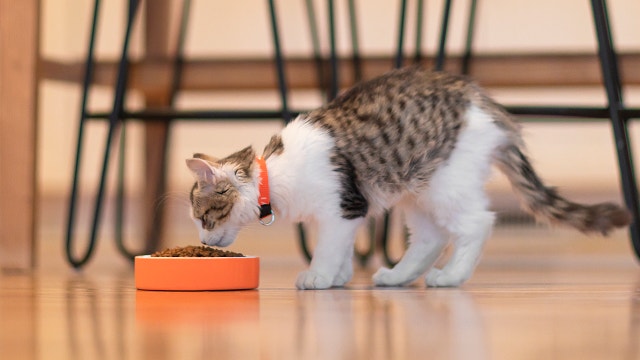
Kittens can eat dry cat food formulated specifically for kittens from about 3 to 4 weeks of age, once they begin the weaning process. However, you may have to soften it as their teeth may not be completely developed by then. It is also recommended that they continue on formula, if they’re not with their mother until completely weaned. Adult dry cat food, however, is not recommended for young kittens. It lacks the calorie density and nutrient levels kittens need for healthy development. Occasionally, giving a bite or two won’t cause harm, but it should not form the basis of their diet.
Can Kittens Eat Wet Cat Food?
Yes, wet kitten food is an excellent choice for kittens, especially during the weaning stage. It’s highly palatable, easy to digest, and provides the hydration kittens need. If you’re offering wet cat food formulated for adult cats to your kitten on occasion, it’s unlikely to cause immediate harm, but adult formulas should not replace kitten-specific food before 12 months.
How Should You Transition Your Kitten to Adult Food Safely?
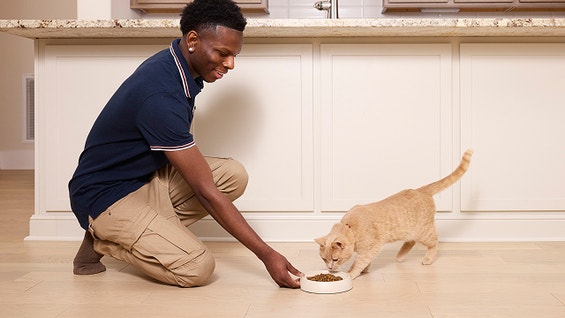
Every pet parent has this question: How should I transition my kitten to adult food safely? Once your kitten has hit the 12-month mark or reached full maturity, it’s time to make the switch, but as with any dietary change for a cat, doing it gradually is key. An abrupt swap can upset their digestive system, leading to loose stools or a refusal to eat.
Here is the recommended transition method for switching to adult cat food:
- Day 1-2: Fill your cat’s dish with 75% kitten food and 25% adult food.
- Day 3-4: Mix adult and kitten food in a 50/50 ratio.
- Day 5-6: Feed your cat a mixture that’s 75% adult food and 25% kitten food.
- Day 7 onwards: Switch to 100% adult formula.
If your cat has a sensitive stomach, extend this process from seven to ten days by making the shifts more gradual. Monitor their litter box habits, appetite, and energy throughout the transition.
Conclusion
The question of when a kitten can eat adult food has a clear answer: at around 12 months or when their growth is complete. Making that switch thoughtfully, with the right formula, at the right time, introduced gradually, sets your cat up for a lifetime of healthy nutrition. Be patient during the transition, keep the process slow and steady, and celebrate the milestone of watching your kitten become a thriving adult cat.
Explore More
Wet Cat Food | Dry Cat Food | Cat Care Articles | Cat Feeding Articles | Cat Nutrition Articles | Cat Health Articles | Protein for Cat Articles | Cat Training Articles | Help Cat Lose Weight
Contributor
Cindy is a Registered Veterinary Technician with nearly 40 years of hands-on animal care experience. A graduate of Purdue University's Veterinary Technology program (RVT, 1988), she spent years in private practice before joining Mars Petcare (formerly IAMS) in 2005 as a Senior Researcher. Today, Cindy focuses on canine and feline health, nutrition, behavior, and consumer advocacy; helping pet parents make confident, informed decisions. On her family farm, she cares for a lively mix of rescue pets and competitively shows exhibition poultry. Cindy brings this same lifelong passion, warmth, and deep practical expertise to every pet family she serves.