
How Long Does It Take a Dog to Digest Food?
If you've ever wondered how long it takes for a dog to digest food, the quick answer is four to 12 hours, but a full meal can take up to two days to get through the entire process.
Exact digestion time depends on your dog’s breed, size, age, and more. But understanding how it all works can help you recognize normal patterns, spot possible problems early, and make smart choices about feeding.
In this guide, we'll explain your dog’s digestion process, the factors that can influence food processing, signs of digestive problems to watch for, and how to support your dog's gut health through diet and lifestyle.
Key Takeaways
- Most dogs digest their food in four to 12 hours, though it can take up to two full days for a meal to complete its entire journey.
- Smaller dogs typically process their food faster than larger breeds because they have shorter digestive tracts.
- Wet food typically moves through the digestive system more quickly than dry kibble because it contains more moisture.
- Watch for warning signs like vomiting, diarrhea, or a sudden loss of appetite, as these can signal digestive issues.
- Balanced nutrition, hydration, and regular exercise promote healthy digestion.
How Does a Dog's Digestive System Work?
The Digestive Process Step by Step
Digestion begins in your dog’s mouth, where their saliva coats the food and makes it easier to swallow. Unlike humans, dogs don’t really chew much before they swallow. Instead, they rely on their esophagus muscles to push the food down to their stomach.
In your dog’s stomach, acids break down proteins over several hours. Then the small intestine absorbs important nutrients, while the large intestine recovers water before waste is finally ready to be passed.
Key Organs That Support Digestion
Behind the scenes, specialized organs work hard to turn kibble into fuel. The pancreas creates essential enzymes that tackle fats, proteins, and carbohydrates.
At the same time, the liver produces bile, which is stored in the gallbladder and then used to help process fats. Together, these organs ensure your dog gets the maximum nutritional benefit from every single bowl of food.
The Gut Microbiome
Inside your dog's gut, trillions of beneficial bacteria form a microbiome that supports a strong immune system. These bacteria support nutrient absorption and help keep stools firm. If this balance shifts, you might notice gas or a dull coat.
Giving your dog prebiotics and fiber can help turn things around, nourish the good bacteria, and get your dog's digestive health back on the right track.
How Long Does It Take for a Dog to Digest Food?
Table of Contents
Digestion is defined as the time it takes food to travel from the mouth through both the stomach and small intestine (after which all of the nutrients have been absorbed). Depending on the size and breed of your dog, that can take anywhere from four to 12 hours.
On average, a meal spends four to eight hours in your dog’s stomach before moving to the small intestine for another three to five hours of processing.
After this initial digestion, food moves through the large intestine, where water is removed and the waste is prepared for elimination. Total transit time from eating to elimination typically takes one to two days.
Factors That Affect Digestion Time
Dog Size and Breed
Your dog’s size and breed play a big role in digestion time!
Smaller, lighter dogs have shorter digestive tracts, which means food moves through their system very quickly. On the other hand, larger, heavier breeds have longer digestive tracts, so it takes longer for food to move through their system.
In addition, some breeds, like German Shepherds, are more prone to a sensitive tummy, which can impact digestion time.
Age
Age also plays a role in digestion time. Puppies have high energy levels and fast metabolisms, so they’ll often need a potty break right after eating. But as your dog becomes a senior, their digestion naturally slows down so that it takes longer for food to pass from one end to the other.
Type of Food
The type of food you feed your dog can have a big effect on digestion time, too. Soft, wet food has high moisture content that allows it to digest faster than dense, crunchy kibble.
Additionally, fiber-rich recipes help keep your dog’s digestion moving, while heavy fillers can slow the process down. Choosing high-quality, balanced nutrition ensures that your dog gets the nutrients they need to stay active and regular throughout the day.
Activity Level
Staying active helps keep your dog’s digestion running smoothly. Regular exercise, like a brisk walk after dinner, stimulates the intestines and prevents constipation.
While athletic dogs usually have very consistent digestion, sedentary pups might experience slower transit times. Whatever type of dog you have, a little daily movement helps support healthy gut mobility.
Hydration
Water is crucial for smooth digestion. It helps break down food and prevents things from slowing down to the point that your dog becomes constipated.
Since wet food adds moisture to your dog’s diet, it’s a great way to get extra water into their system. Regardless of what you feed your dog, always keep a bowl of fresh, clean water available to support their hydration needs.
Stress and Environment
A calm dog is a healthy dog! Major changes, like traveling, a new home, or a new addition to the family, can cause anxiety that leads to an upset stomach or irregular digestion.
A consistent feeding routine provides the comfort and stability your pet needs to keep their digestive system working exactly as it should.
Health Conditions
Sometimes, internal factors like parasites, infections, or organ problems (such as pancreatic issues) can slow things down or cause digestive distress. If you notice persistent changes in how your dog processes food, it could be a sign that they’re struggling with a health issue.
Get your dog checked out by a veterinarian. They can diagnose unseen health conditions and help you find the best diet for your dog.
Signs Your Dog May Have Pancreatic Issues

Common warning signs of pancreatic issues include persistent vomiting, diarrhea that lasts more than two days, constipation, bloating, and excessive gas.
Changes in Stool Quality
Changes in stool quality can also be a symptom of pancreatic issues. Healthy stool is firm, moist, and chocolate brown, so if you notice pale or gray stool, it could be a sign of liver or pancreas issues.
Similarly, very dark or black stool can indicate internal bleeding, so if you notice that or see mucus or blood in your dog’s stool, get them to a veterinarian right away.
Behavioral Changes
If your dog suddenly becomes lethargic, is restless or paces after a meal, starts guarding their abdomen, or drools excessively, they might be experiencing pain or an underlying health issue. Talk to your veterinarian as soon as possible.
Note: If any of these signs persist for more than 24 to 48 hours or if symptoms are severe, contact your veterinarian immediately. Early intervention can prevent minor digestive issues from becoming serious.
How To Support Your Dog's Digestive Health
Feed a Complete and Balanced Diet
One of the best things you can do for your dog’s digestive health is feeding them a complete and balanced diet based on AAFCO standards.
It’s also important to match the formula to your dog’s life stage (i.e., puppy, adult, or senior), look for quality protein sources as the first ingredient, and avoid excessive fillers, artificial preservatives, and by-products.
Maintain Consistent Feeding Routines
Feed your dog at the same time each day, and measure portions to prevent overfeeding. When switching foods, transition gradually over 7 to 10 days. Lastly, avoid table scraps to keep your dog’s digestion running smoothly.
Ensure Adequate Hydration
Water is vital for absorbing nutrients and keeping your dog’s digestive system working right. Always provide plenty of fresh water, especially during hot weather.
Encourage Regular Exercise
Daily walks and playtime are great for your dog's gut health. While light movement after a meal helps digestion, wait at least two hours before starting intense exercise. This balance keeps their energy up and their digestive system working efficiently.
When To Consult Your Veterinarian
If your dog vomits or has diarrhea for over 24 hours or if you see blood, call your veterinarian immediately. A bloated belly, refusing food, or signs of dehydration, like dry gums, also mean that your dog needs immediate professional care.
Support Your Dog's Digestion with IAMS™
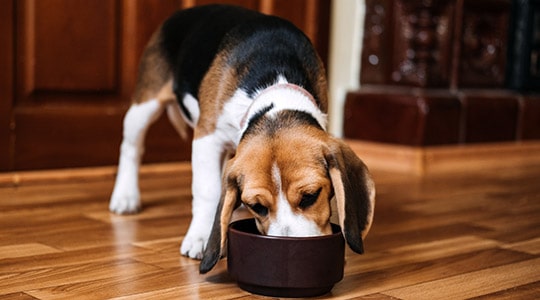
Healthy digestion starts with what your dog eats! At the IAMS™ Brand, we offer a variety of dog food formulas specifically designed to support digestive health for puppies, adults, and seniors.
Our recipes include quality protein sources, like real chicken, as the first ingredient, as well as natural sources of healthy fiber to support regularity and firm stool. Every bag provides complete and balanced nutrition that meets AAFCO standards.
Feeding your dog the right food helps them get the most out of every meal and supports healthy digestion with every bite. Explore all of the IAMS™ Dog Food Options!