

Fiber for Dogs: Everything You Need to Know
Fiber is one of those “hidden” nutrients in your dog’s diet. You don’t hear it mentioned very often, but it’s a critical piece of your dog’s overall well-being. Fiber is vital to their digestive system, weight management, and general good health.
So let’s talk about it!
In this guide, we’ll take you through the two main types of fiber your dog needs, the benefits of each one of them, how to add fiber to your dog’s diet, and signs to watch for that may indicate too little or too much of this important nutrient.
Key Takeaways
- Fiber supports your dog’s digestion, promotes regular bowel movements, and feeds “good” gut bacteria that produce short-chain fatty acids.
- Your dog needs two types of fiber: soluble fiber, which dissolves in water and slows digestion, and insoluble fiber, which adds bulk to stool and supports regularity.
- According to research, the optimal fiber level for healthy dogs is between 1.4% and 3.5% of diet dry matter.
- Safe sources of fiber for dogs include beet pulp, pumpkin, sweet potatoes, carrots, green beans, and oats.
- Consult your veterinarian for advice on fiber adjustments for your dog if you’re worried they have digestive, weight, or anal gland issues.
Understanding Fiber in Your Dog's Diet

Table of Contents
Fiber is a carbohydrate found primarily in plant-based foods and is an important part of your dog's diet.
Unlike protein or fat, dogs can’t digest fiber directly. Instead, it passes through their digestive tract, where it feeds beneficial gut bacteria, supports regular bowel movements, and helps your dog feel fuller for a longer period of time. (No more looking at you with those “I’m hungry” eyes!)
Many foods contain fiber, but only some are considered safe for dogs, including:
- Beet pulp
- Pumpkin
- Sweet potatoes
- Carrots
- Green beans
- Oats
Note: Contact your veterinarian before adding any of these foods to your dog’s diet. And make sure you find a complete and balanced dog food formulated with the right kind and right level of fiber to promote your dog’s health.
To understand fiber better, we need to look at two of its more important properties: fermentability and solubility.
- Fermentability measures the capacity of fiber to be broken down by microorganisms
- Solubility measures the amount of fiber that can dissolve in water
Solubility and fermentability are connected, but they aren’t the same thing. In most cases, the more soluble the fiber source, the faster it ferments and the more it ferments.
Fiber Levels and Fermentability
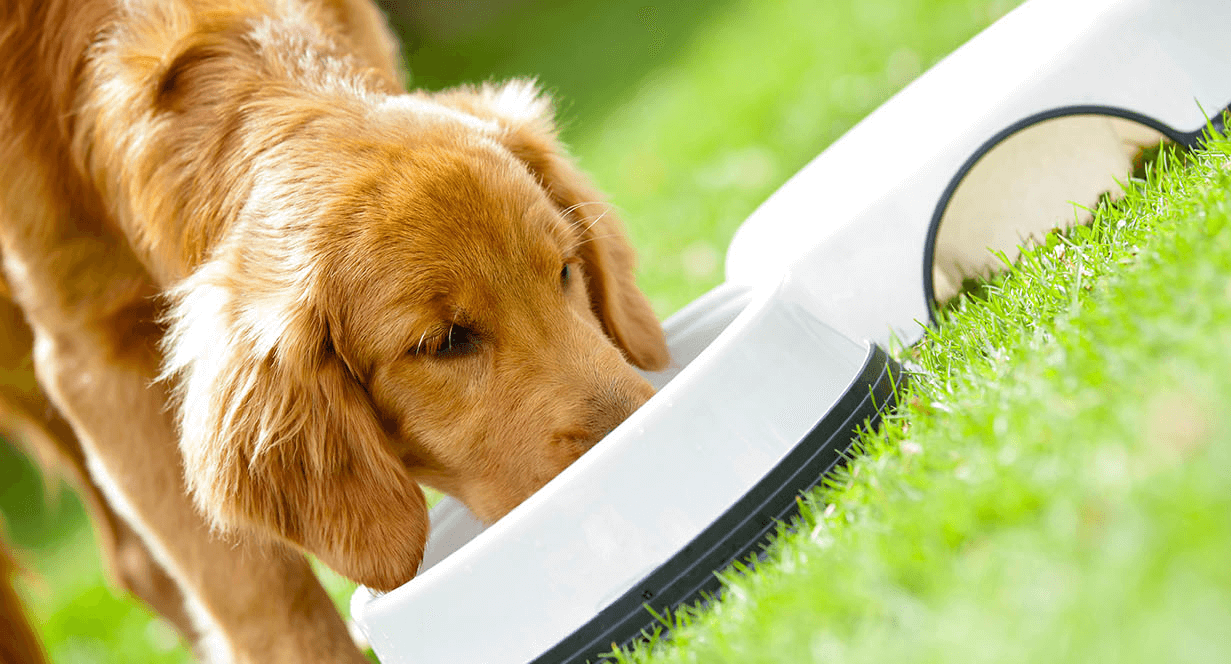
So, how is fiber fermented in the intestinal tract? Beneficial bacteria consume the undigested carbohydrates in the fiber, producing short-chain fatty acids (SCFAs). These SCFAs provide energy to the cells lining your dog’s intestines.
Different sources of fiber vary in fermentability. Fiber sources used in pet foods include cellulose, which is poorly fermentable; beet pulp, which is moderately fermentable; and gums and pectin, which can be highly fermentable.
Research has shown that moderately fermentable fiber is just right for providing energy to your dog’s cells and bulk to their stool…without giving your dog excessive stool or gas.
Soluble vs. Insoluble Fiber: What's the Difference?
Simply put, soluble fibers dissolve in water, and insoluble fibers don’t.
A great way to visualize this is to imagine two glasses of water. You pour sugar into one and sand into the other. The sugar dissolves in the water: it’s soluble. The sand, on the other hand, settles to the bottom of the glass: insoluble.
Both kinds of fiber are important for your dog’s health. Soluble fiber forms a gel, which slows digestion and supports nutrient absorption. Insoluble fiber adds stool bulk, speeds transit through the digestive system and promotes regularity.
A balanced combination of soluble and insoluble fiber supports optimal digestion and stool quality.
Below is a breakdown of the different types of fiber, what they do, where they can be found, and how they benefit your dog.
Fiber Type | What It Does | Common Sources | Best For |
Soluble | Dissolves in water, slows digestion, feeds gut bacteria | Oats, apples, beet pulp, psyllium | Blood sugar regulation, gut health |
Insoluble | Adds stool bulk, speeds intestinal transit | Wheat bran, cellulose, green beans, carrots | Constipation relief, weight management |
Mixed/Moderate | Balanced fermentation without excessive gas | Beet pulp, pumpkin, sweet potato | Overall digestive health, stool quality |
Health Benefits of Fiber for Dogs

As you can see, fiber is an important part of your dog’s well-being. Let’s take a closer look at those health benefits!
Supports Digestive and Gut Health
Fiber helps food move through your dog’s digestive tract at a healthy pace, which prevents both constipation and diarrhea. As it moves, some fiber is fermented in the intestinal tract, creating those SCFAs we mentioned earlier.
SCFAs nourish the cells in the gut and strengthen your dog’s immune system. They can also:
- Lower cholesterol levels
- Improve insulin sensitivity
- Help regulate blood sugar
- Help reduce inflammation
- Improve regularity of bowel movements
On the flip side, fiber lowers intestinal pH, reducing the growth of bad bacteria.
May Help Regulate Blood Sugar
Soluble fiber works to slow carbohydrate absorption, supporting consistent daily energy levels in your dog, and preventing them from experiencing post-meal sugar spikes.
Just like people, a dog who experiences frequent sugar spikes can lose their healthy insulin response, sometimes leading to diabetes. Some signs of sugar spikes or diabetes include:
- Excessive thirst
- Excessive hunger
- More frequent urination
- Weight loss
- Increased fatigue
- Cloudy eyes
- More frequent infections
- Walking or standing in an unusual way
Consult your veterinarian if you see any of these signs. And if you know your dog has diabetes, ask your veterinarian before you change their diet.
Can Too Much Fiber Be a Problem for Dogs?
While fiber is an incredibly effective and important nutrient, your dog can have too much of it.
How do you know if your dog is getting too much fiber in their diet? They may experience more flatulence or bloating, loose stools, an increase in stool volume, or a lot of downward dog stretching (an inverted “V” stretch, leaning slightly back with their bum in the air).
High Fiber in Weight Loss Dog Foods
High levels of poorly fermentable fiber are used in some weight-reduction pet foods to dilute the calories in a serving. Our research found that this is not good practice.
High fiber levels can decrease the digestibility of other nutrients in the food and, as a result, can reduce the nutritional quality of the diet. You might also see more poop piles in the yard because of the indigestible fiber.
Fiber in IAMS™ Dog Foods
There's a lot to consider when deciding your dog’s dietary fiber needs. The solubility and fermentability of fiber are essential for different parts of your dog’s health.
And fiber levels need to be taken into account. How much is enough? How much is too much? What foods are the best sources of fiber?
The IAMS™ Brand can help! Our pet nutritionists have done the research. We know that moderately fermentable fiber, such as beet pulp, provides proven nutritional benefits for dogs. And we know what dogs like to eat.
All IAMS™ products, including IAMS™ Proactive Health™ Minichunks, are formulated with optimal levels of moderately fermentable fiber to promote a healthy intestinal tract and enhance the well-being of your dog. And it’s tasty, too!