
Senior Dog Diet: Nutrition Guide & Feeding Tips
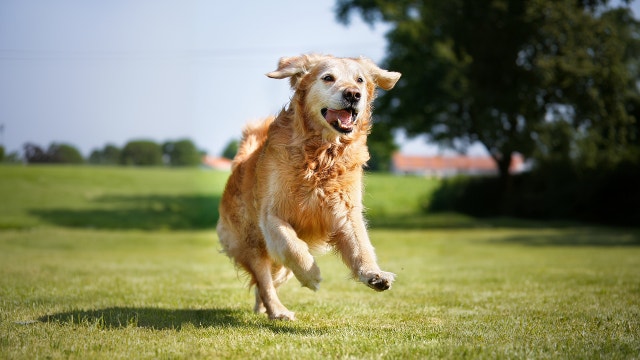
Your dog has enjoyed year after year of rambunctious play, and the senior stage of their life doesn't have to change that. As your best friend ages, their metabolism shifts, their energy needs adjust, and their body processes nutrients differently. The right diet helps them stay active, strong, and feeling like themselves.
The good news is that a few simple dietary adjustments can help make these changes easier and support your dog’s overall health and quality of life.
The best senior dog diet is different from the standard adult dog diet because seniors need help retaining muscle, staying at a healthy weight, and maintaining their joints and brain function.
To make this possible, senior food includes high protein, fewer calories, and added nutrients like omega fatty acids and glucosamine.
But when should you switch to senior food? What nutrients matter most? And how much should you feed your senior dog so they can enjoy a long, happy life? We answer those questions and more in this article to help you understand senior dog diets better.
Key Takeaways
- As dogs age, their nutritional needs shift to support muscle retention, joint health, and slower metabolism.
- A senior dog diet should include higher protein, fewer calories, and joint-supporting nutrients like glucosamine and omega-3s.
- Signs your dog may need a diet change include weight gain, stiffness, low energy, a dull coat, or digestive issues.
- Feed two to three measured meals per day and limit treats to 10 to 15 percent of daily calories.
- Large and giant breeds should switch to senior food around 5 to 8 years old. Small breeds around 10 to 11 years old. A veterinarian can tell you when to make the switch based on your dog's health and activity level.
- Consult your veterinarian before making significant dietary changes.
When Is a Dog Considered Senior?
Though it’s impossible to tell at exactly what age your dog will become a senior, this change happens when they’ve reached the last 25% of their expected lifespan. For large and giant breeds, that’s around 5 to 8 years old. For small breeds, it’s around 10 to 11 years old.
There are several variables that impact when your specific dog is considered a senior, including size, breed, and overall health. What’s more, being classified as “senior” doesn’t mean your dog will experience big changes right away or suddenly become frail.
What Do Senior Dogs Need in Their Diet?
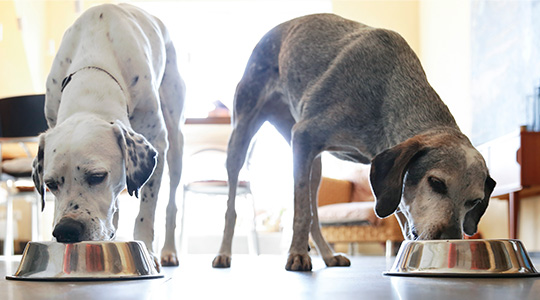
When your dog approaches their senior years, make sure you’re paying attention to what’s in their dog food. Here are some things to consider.
Higher Protein
As the years go by, your dog starts to lose muscle. If they don’t get enough high-quality, easily digestible protein from chicken, fish, or lamb, their chances of contracting a serious illness or physical condition increase.
To maintain muscle mass and stay healthy, senior dogs may need 50% more protein than adult dogs. What’s more, any protein they do eat should be a minimum of 25% of the calories they eat every day.
Fewer Calories
The older your dog gets, the more likely they are to move less and develop a slower metabolism. Because of this, they’ll need about 25% fewer calories than they did as an adult.
Giving your senior dog too many calories can cause them to become overweight (and even obese), which can put dangerous stress on their heart and joints.
Many senior dog foods have less fat and lower caloric density than adult formulas to prevent overfeeding. Regardless of the food you choose, weigh your dog often to catch any weight gain before it becomes a problem.
Joint Supporting Nutrients
Stiff joints are a common issue for senior dogs and can seriously affect their activity level and quality of life.
Thankfully, specific nutrients included in many senior dog diets, such as glucosamine, chondroitin, and omega-3 fatty acids, work together to repair cartilage and improve mobility in senior dogs.
Fatty Acids for Brain and Skin Health
Brain and skin health also start to decline as your dog gets older. To keep their mind sharp, look for a senior dog food that includes omega-3 fatty acids.
For their skin and fur, give them food that includes omega-6 fatty acids, such as fish oil and flaxseed.
Digestive Support
Your senior dog’s digestive system can’t absorb nutrients as efficiently as it once did. But that doesn’t mean that all is lost!
A good senior dog diet includes fiber to keep things moving smoothly and prebiotics and probiotics to support the good bacteria in your dog’s gut.
Many senior dog foods are also made from ingredients that are easier to digest, so their body doesn’t have to work as hard to get the nutrients they need.
Table of Contents
Dry or Wet Food: Which is Better for Senior Dogs?
Dry Dog Food
Dry dog food is a staple for lots of dogs, including older ones. It’s shelf-stable, has a longer storage life, has a crunchy texture that helps reduce plaque and tartar buildup, and can be softened with warm water or broth for dogs with dental issues.
When shopping for dry kibble, look for recipes that include high-quality protein, joint support, and the right calorie levels for your senior dog.
Wet Dog Food
Wet dog food is a great choice for senior dogs who struggle to stay hydrated, have missing teeth, are picky eaters, or just prefer the soft texture and rich aromas that it provides.
Keep in mind that wet dog food usually has fewer calories by volume when compared to dry food, so you may need to adjust the serving size in order to ensure that your senior dog gets what they need to stay happy and healthy.
When to Switch from Adult to Senior Dog Food
As a general rule, the right time to switch from adult to senior dog food will depend on their size, but a visit to your veterinarian can help you know exactly when to make the change.
Large and giant breeds should usually start a senior dog diet sometime between the ages of five and eight. And small breeds should usually switch sometime between the ages of 10 and 11.
However, if your dog shows signs of decreased activity, unexplained weight gain, or digestive changes before these ages, consult your veterinarian about switching early.
How Much to Feed a Senior Dog
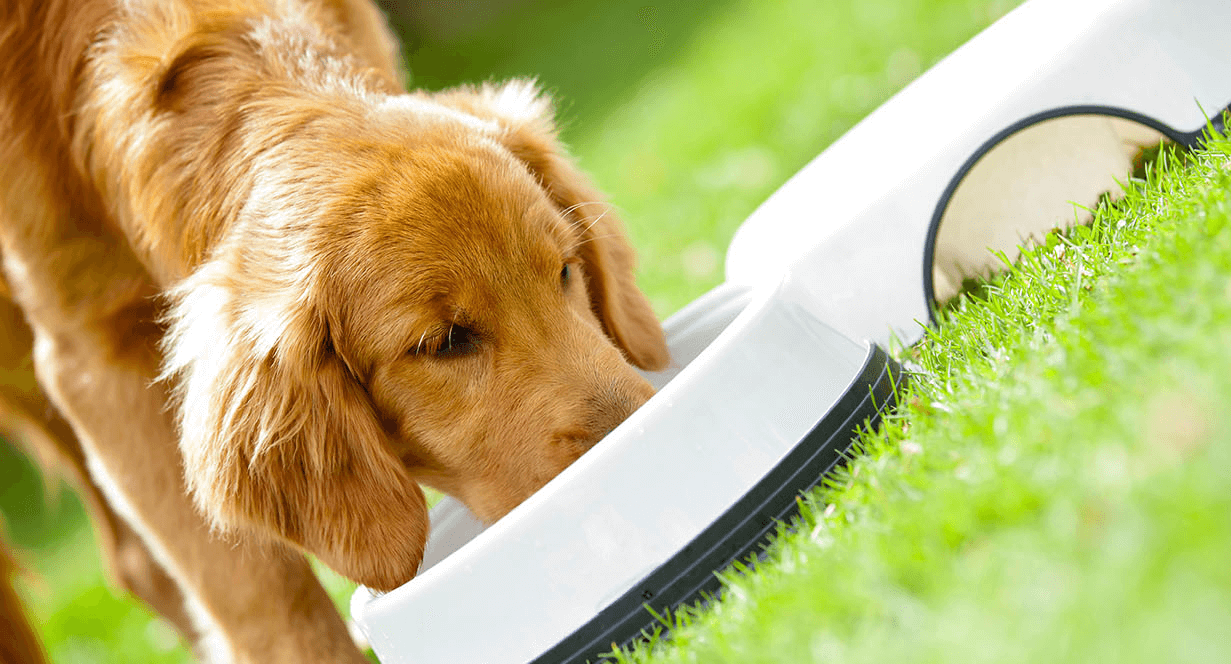
The right amount to feed your senior dog depends on their weight, breed, and activity level. Use the table in the next section and the food packaging guidelines as a starting point, but feed less if your dog is inactive.
If you’re worried about getting it just right, ask your veterinarian to help you come up with a feeding plan for your aging dog.
Daily Senior Dog Feeding Guide by Weight
Divide the Cups per Day by two or three to figure out how much to feed your dog at every meal. Adjust portions up or down based on your dog's body condition over time, and consult your veterinarian for a more personalized daily calorie target.
Weight (lbs) | Cups per Day |
3 | 1/3 |
5 | 1/2 |
10 | 3/4 to 1 |
20 | 1 1/3 to 1 1/2 |
30 | 1 3/4 to 2 |
40 | 2 1/4 to 2 2/3 |
50 | 2 2/3 to 3 |
60 | 3 to 3 1/2 |
70 | 3 1/2 to 4 |
80 | 3 3/4 to 4 1/2 |
90 | 4 1/4 to 4 3/4 |
100 | 4 1/2 to 5 1/4 |
Note: This table is based on IAMS™ Healthy Aging Adult Dry Dog Food.
Nutrition Built for Your Dog's Golden Years with IAMS™
Feeding your senior dog the right diet helps your canine best friend stay happy, healthy, and active through the twilight years of their life. The IAMS™ Brand can help!
IAMS™ Senior Dog Food is 100% complete and balanced, contains no fillers, and is formulated with high-quality protein to help maintain muscle mass, plus added nutrients to support joints, digestion, and immune health.
Shop IAMS™ Senior Dog Food for formulas designed for different breed sizes and health goals.
Contributor:
Dena Bley is a registered veterinary technician with 25 years of experience and Sr. Expert Advice Team member. She began her career as a researcher at P&G before joining the Pet Health and Wellness Team at Mars 2014. With deep roots in Ohio, Dena brings over a decade of research experience and a passion for animal care, complemented by her hands-on work with a variety of animals on her family’s small farm.
References:
- https://www.vet.cornell.edu/departments-centers-and-institutes/riney-canine-health-center/canine-health-topics/choosing-food-your-senior-dog
- https://vcahospitals.com/know-your-pet/feeding-mature-and-senior-dogs
- https://www.akc.org/expert-advice/nutrition/nutritional-needs-for-senior-dogs/
- https://www.akc.org/expert-advice/nutrition/how-to-feed-the-senior-dog/
- https://www.akc.org/expert-advice/nutrition/nutrition-and-supplements-for-senior-dogs/
- https://improveinternational.com/uk/clinical-library/nutrition-requirements-of-senior-pets
Frequently Asked Questions
YOU MAY ALSO LIKE …

Why Do Dogs Sleep So Much? We Take an A to Zzz Look at the Issue
We asked dog owners* how many hours a day they think their adult dog sleeps. The answers averaged around 9.7 hours. Truth is, dogs normally sleep around 12-14 hours a day.
READ MORE
Small-Breed Puppy Feeding Secrets
Get tips on feeding small-breed puppies and how to choose the best food.
READ MORE
Puppy Basics Nutrition for Medium Breeds
Your puppy is changing in so many ways. In fact, the most rapid growth will take place in these first months of his life. His immune system is developing. Bones are growing...
READ MORE
Do Dogs Like Hugs?
Most humans recognize a hug as a sign of affection and friendship. In an IAMS™ survey*, 83% of dog parents say their dog likes hugs too. But how do dogs feel about them? Bring it in! We’re going to try and get our arms around this question.
READ MORE