
Obese Dog: Causes, Symptoms, and Treatments
Is your adult dog starting to move a little slower and look a little thick around the middle? They might be carrying a bit too much weight for their breed and size. While this may not seem like that big of a deal, nearly 60% of dogs in the U.S. are now considered overweight.
Carrying extra weight puts dogs at a higher risk for painful joints, difficulty moving, breathing problems, and serious diseases that can limit their quality of life.
The good news is that with some simple changes, persistence, and patience, you can help your dog get back to their ideal weight.
In this guide, we’ll show you how to recognize the signs of weight gain and provide advice on nutrition and activity so your four-legged friend can enjoy a happy, healthy life.
Key Takeaways
- A dog is considered obese when they weigh 20% more than their ideal weight or reach a high score on the Body Condition Score (BCS) chart.
- Keep an eye out for a disappearing waistline, difficulty feeling their ribs, or a pet that pants excessively after light movement.
- Helping your dog slim down usually involves a careful balance of cutting back on calories and slowly increasing their daily exercise.
- You can prevent future weight gain by measuring every meal, limiting treats, and keeping up with regular veterinarian checkups and daily walks.
- While most weight gain comes from eating too many calories and not moving enough, it’s important to get your dog checked by a veterinarian to rule out medical issues.
What Is Obesity in Dogs?
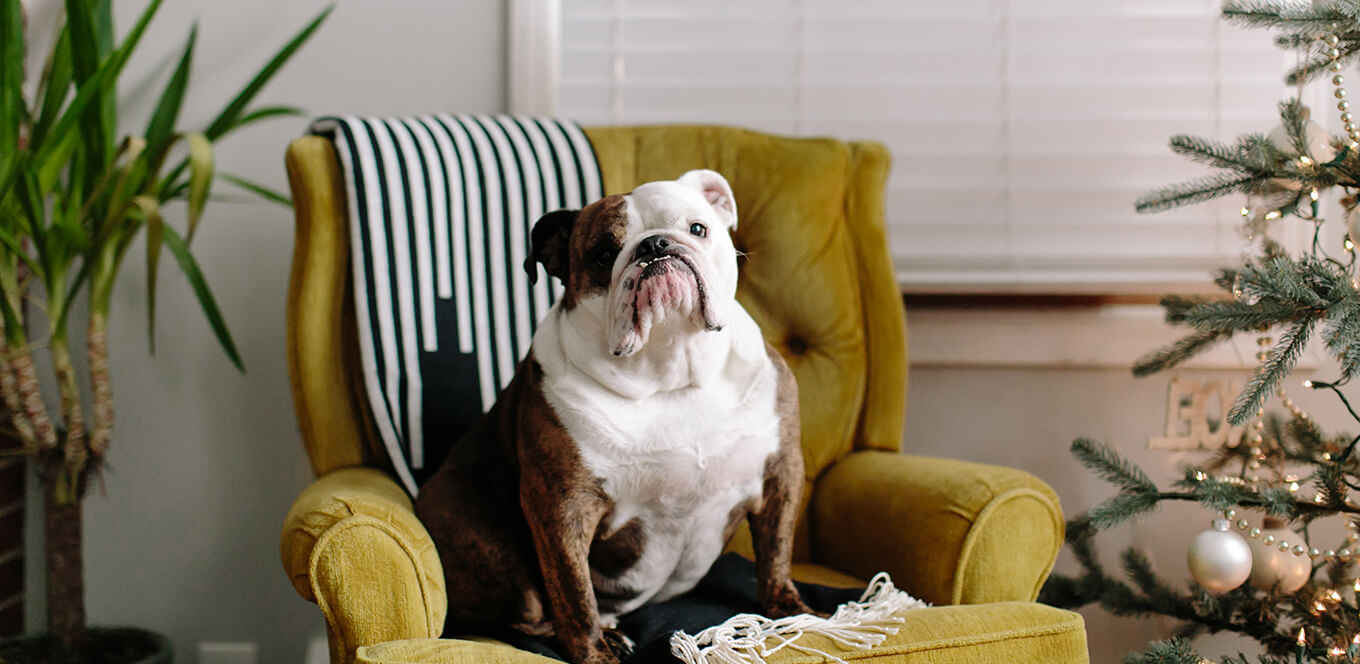
An obese dog weighs 20% more than their ideal body weight according to the Body Condition Score (BCS), a tool veterinarians use to assess body fat.
BCS scores range from 1 to 9. A score of 6 or 7 is considered overweight, while an 8 or 9 is considered obese. Both conditions are typically caused by too many calories and too little play, but sometimes the extra weight stems from a medical condition.
Regardless of the cause, recognizing the signs of an overweight or obese dog early on can help your canine live a healthier, more active life.
How Can You Tell if Your Dog Is Overweight or Obese?
Visual Symptoms
The visual symptoms of an overweight or obese dog often become obvious before any others. A healthy dog will have an hourglass shape (when viewed from above), while an overweight or obese dog will look oval or round from that same perspective.
From the side, you’ll be able to distinguish an overweight or obese dog if their belly sags instead of tucking up toward their back legs.
Other visual symptoms of extra weight include a tight collar (where it fit just fine before), their neck blending into their shoulders without definition, and fat deposits near their tail.
Helpful hint: If you’re looking for a quick and easy way to tell if your dog is overweight or obese, check out the IAMS Weight Assessment Tool at our Healthy Weight Hub. And if your canine companion is just a puppy, take a look at our Puppy WeightCheck Healthy Growth Tool.
Movement and Mobility Concerns
Excess weight can make moving a chore for your dog, reducing their stamina for the activities they love. You might see them getting out of breath and tiring much more quickly than they used to (like a short walk or game of fetch).
You might also notice them struggling up stairs, unable to get on the couch, or having difficulty standing up after a nap.
Watch their walk, too. A waddling, side-to-side gait or stopping for frequent rests during a normal stroll are clear signs that your dog’s joints are working too hard.
Sleep Changes to Watch For
When dogs put on extra weight, even their sleep can change. They may suddenly start snoring or snore more than usual because extra weight is putting pressure on their airway, or they might need to move around a lot to find a comfortable position.
Body Condition Score Assessment Table
The Body Condition Score (BCS) helps estimate your dog's body fat and muscle to determine whether they are underweight, at an ideal weight, or overweight.
BCS Score (Out Of 9) | Visual Symptoms | Physical Symptoms | Weight Status |
5 | Clear waist visible | Ribs easily felt | Ideal weight |
6 - 7 | Waist barely visible | Ribs felt with slight pressure | Overweight |
8 | No waist visible | Hard pressure to feel ribs | Obese |
9 | Rounded, distended | Heavy fat deposits | Severely Obese |
Table of Contents
If your dog’s BCS falls outside the ideal range, schedule a visit with your veterinarian to discuss next steps. Even if it’s borderline, it’s best to err on the side of caution and get your dog checked out by a professional.
What Causes Obesity in Dogs?
Feeding and Nutrition
Just like people, dogs can quickly gain weight when they eat more calories than they burn.
Factors that contribute to this include free-feeding (putting out one large bowl of food that your dog munches on all day) and sharing “human food” off your plate. Extra calories like these add up quickly!
That said, some dogs gain weight not because of extra calories, but because of medical issues. If your dog suddenly exhibits signs of weight gain, get them checked out by a veterinarian for physical disorders, such as thyroid or metabolism problems.
Lifestyle and Activity
Adult dogs often gain weight from a lack of exercise. Without enough physical activity, dogs can even become lethargic, which contributes even more to weight gain.
Keep a steady routine of walks, play, and visits to the dog park to help your dog stay fit and happy!
Breed Predispositions
Some breeds are simply more disposed to carrying extra weight. For example, Labradors and Beagles often have a food-motivated personality, meaning they’re always looking for something to eat!
Other breeds, like Cocker Spaniels, may have a metabolism that stores fat more efficiently (and makes them more prone to obesity). Small toy breeds are also at risk of obesity because even a few extra calories can have an impact on tiny frames.
How to Help an Obese Dog Lose Weight Safely
Adjust Your Dog’s Diet
Helping your dog slim down starts with putting the right food in their bowl.
Choose a complete and balanced formula, like IAMS Healthy Weight, and always use a measuring cup to keep portions consistent. Your veterinarian may even suggest a specific weight-management recipe to keep your dog at their ideal weight (or help them get back to it).
It’s also important to limit treats and avoid giving your pup food off your plate. If you do treat your dog, just be mindful to include those calories in their daily food allowance to help maintain a healthy balance.
Start an Exercise Routine
Creating an exercise routine for your overweight or obese dog doesn’t have to be complicated.
Start with short walks or easy play sessions. Over a few weeks, gradually increase the speed, distance, or frequency of the walks, or increase the energy of the play sessions.
Regardless of which activity you choose, watch for signs that your dog is tired or uncomfortable so you don’t overtax them. Take frequent breaks and talk to your veterinarian if your dog seems to struggle with exercise for more than a week.
Consult Your Veterinarian
It’s always important to check with your veterinarian before adjusting your dog’s diet or starting them on a new exercise routine. The veterinarian can identify any underlying health issues and determine the ideal weight for your dog's breed and build.
They can also help you create a safe, gradual weight-loss plan specific to your pet's age and health so you can make sure they lose weight at a safe, steady pace.
How to Keep Your Dog at a Healthy Weight
With the right diet and physical activity, your dog can drop the pounds and get back to a healthy weight for their breed, size, and age. Even after they've reached their goal, continue with both the diet advice your veterinarian gave you and the exercise routine that got you to this point.
Additionally, always measure their food using a standard cup instead of "eyeballing" it out of the bag. Finally, regular check-ups with a veterinarian are the best way to catch small changes before they become big problems.
A Healthier Future Together
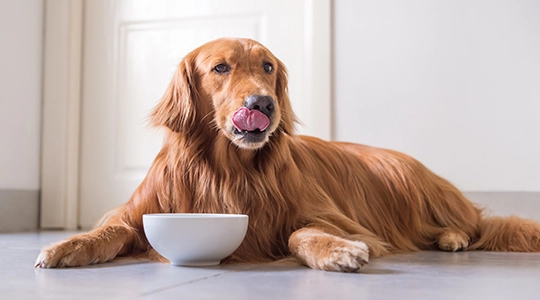
By focusing on diet and exercise, you can help your obese dog reach a healthy weight and give them the gift of easier movement, less pain, and a better overall lifestyle.
IAMS™ can help! Our Healthy Weight dog food is designed to help your four-legged friend burn fat and maintain muscle mass so that they can stay active throughout their weight-loss journey.
With the right food, activity, and love from you, your dog will have the energy to enjoy every walk to the fullest!
Contributor
Dena Bley is a registered veterinary technician with 25 years of experience and Sr. Expert Advice Team member. She began her career as a researcher at P&G before joining the Pet Health and Wellness Team at Mars 2014. With deep roots in Ohio, Dena brings over a decade of research experience and a passion for animal care, complemented by her hands-on work with a variety of animals on her family’s small farm.